Introduction
In the world of diagnostic testing, accuracy is paramount—especially when diagnosing respiratory diseases. With the growing prevalence of conditions like COVID-19, influenza, and pneumonia, effective detection methods are critical for early intervention and better health outcomes. One of the most accurate and widely used diagnostic tools for respiratory diseases is Polymerase Chain Reaction (PCR). To ensure reliable results, it is essential to use Respiratory Disease PCR Quality Control products that validate the integrity and precision of PCR tests.
This article explores the importance of PCR quality control in respiratory disease diagnostics, the benefits it provides, and why it is indispensable for labs and healthcare providers. We will discuss key aspects of PCR, quality control protocols, and how these contribute to more reliable, reproducible, and efficient diagnostic testing in respiratory diseases.

What is PCR and Why is it Essential for Respiratory Disease Detection?
Polymerase Chain Reaction (PCR) is a powerful molecular technique that amplifies specific DNA sequences, allowing detection of even trace amounts of genetic material. PCR has revolutionized diagnostic testing by enabling early detection of pathogens, such as viruses and bacteria, that cause respiratory diseases.
Respiratory diseases, including COVID-19, influenza, pneumonia, and RSV, often present similar symptoms, which can make it difficult for healthcare providers to distinguish between them without reliable testing. PCR-based tests provide a high level of accuracy and sensitivity, which is essential for:
-
Identifying infections early, even in patients with mild or no symptoms.
-
Differentiating between viral and bacterial infections, which is crucial for proper treatment.
-
Monitoring the spread of infectious diseases, including outbreaks of new variants (e.g., COVID-19 variants) – CDC – COVID-19 Variants
Because PCR tests are highly sensitive, they are often considered the “gold standard” for diagnosing many respiratory diseases, as they detect minute genetic markers of pathogens, such as SARS-CoV-2, influenza A/B, and other viral agents – CDC – COVID-19 Testing Overview.
The Need for PCR Quality Control in Respiratory Disease Testing
In diagnostic laboratories, maintaining consistent accuracy and precision is critical. PCR Quality Control ensures that PCR-based tests produce reliable results, with minimal risk of false positives or false negatives. Let’s break down the importance of quality control in PCR tests:
1. Preventing Contamination
Contamination of PCR samples can have a profound impact on the results of diagnostic tests, leading to false positives. Such contamination can come from a variety of sources, including laboratory instruments, reagent kits, or even other samples in the testing environment. Quality control products, such as contamination detection controls, are used to monitor for any signs of cross-contamination, ensuring that samples remain uncontaminated and results are valid.
2. Verifying Test Performance
Every component of a PCR test—whether it be primers, probes, or reagents—must work under optimal conditions for accurate amplification of target DNA. If any part of the PCR process fails, it can lead to incorrect results. Quality control reagents help verify that all aspects of the PCR test are performing as intended, ensuring the highest possible test performance.
3. Minimizing Human Error
Human errors, such as mishandling of samples or improper test setup, can affect the outcome of PCR testing. Quality control processes, including the use of internal controls and proficiency testing, help ensure that even if errors occur, they are detected before they lead to faulty conclusions.
4. Regulatory Compliance
Governments and health organizations require laboratories to follow specific guidelines for diagnostic testing, ensuring that testing processes meet public health standards. Quality control in PCR testing ensures laboratories comply with these regulatory standards, as set by organizations such as the FDA and EMA.
Key Components of Respiratory Disease PCR Quality Control
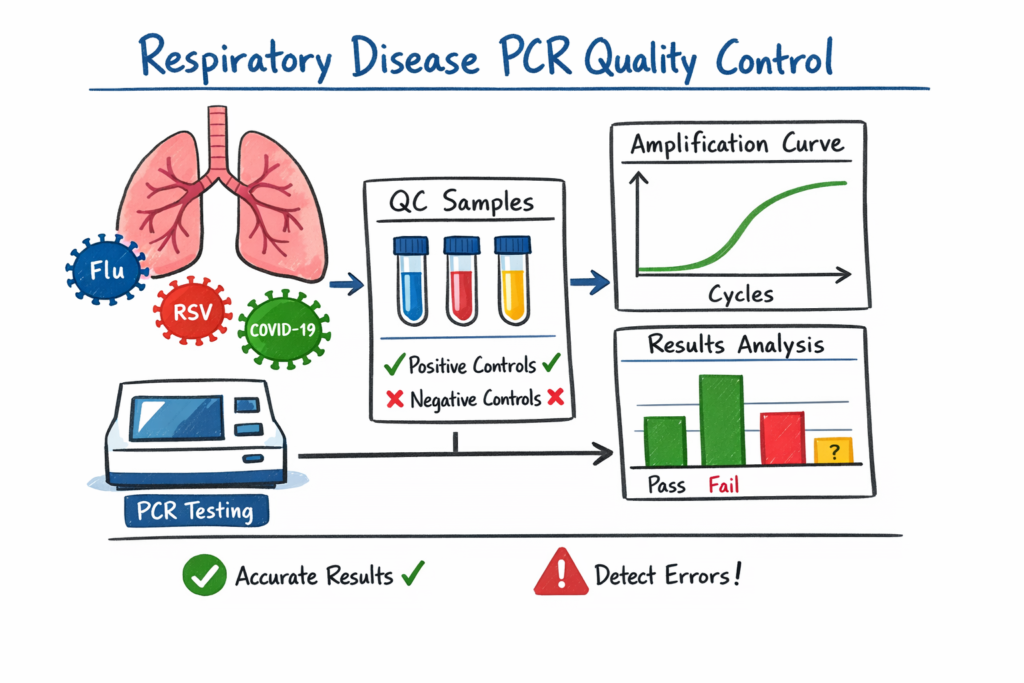
To understand the core of Respiratory Disease PCR Quality Control, let’s look into the essential components:
1. Internal Control Templates
Internal control templates are included in PCR reactions to verify that the test was carried out correctly. These templates serve as a reference to ensure the PCR reaction was successful, helping to detect any errors that might have occurred during amplification.
2. Positive and Negative Controls
Positive controls contain known quantities of the target pathogen’s genetic material, confirming that the PCR reaction is capable of detecting the pathogen. Negative controls, on the other hand, verify that no contamination occurred during the PCR process.
3. Extraction Controls
Since PCR relies on the extraction of DNA from the respiratory sample, extraction controls are used to ensure the DNA extraction method is effective. Without proper extraction, the PCR assay may not be able to amplify enough material for reliable results.
4. Amplification Controls
Amplification controls are used to monitor the PCR amplification step, ensuring that it is progressing under optimal conditions. These controls help identify issues like inhibition or inadequate amplification that could impact test results.
Best Practices in Respiratory Disease PCR Testing
Implementing best practices in PCR testing not only helps reduce errors but also enhances the overall quality of results. Below are some essential recommendations:
1. Use High-Quality Reagents
Using the best available reagents, such as high-purity primers, probes, and buffers, is critical for ensuring the success of PCR testing. Poor-quality reagents can lead to inconsistent amplification, inaccurate results, and, ultimately, erroneous diagnoses.
2. Regular Calibration and Maintenance of Equipment
PCR equipment, such as thermocyclers and pipettes, must be regularly calibrated and maintained. This ensures that all instruments operate efficiently, reducing the risk of errors during testing.
3. Regular Proficiency Testing
Periodic proficiency testing ensures that laboratories continue to meet the necessary performance standards, helping to maintain accuracy across all tests.
Benefits of Investing in PCR Quality Control for Respiratory Disease Diagnostics
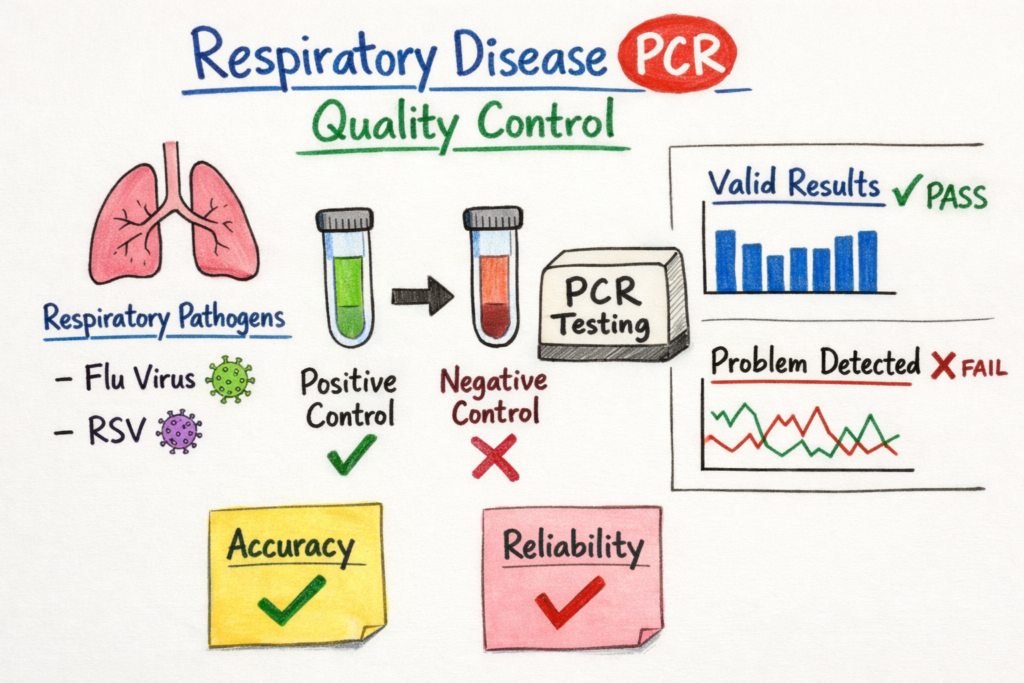
Implementing PCR quality control measures brings multiple benefits to laboratories and healthcare providers:
1. Enhanced Test Accuracy
Accurate detection of respiratory diseases means faster, more reliable diagnosis, leading to better patient outcomes.
2. Time and Cost Efficiency
Quality control helps reduce the frequency of false results, ultimately saving time and reducing the need for retesting.
3. Meeting Regulatory Requirements
Adhering to FDA and CDC guidelines for PCR testing ensures compliance with regulatory standards, protecting both the laboratory and patients.
Conclusion: The Importance of Respiratory Disease PCR Quality Control for Better Patient Care
With the critical need for fast and accurate diagnosis of respiratory diseases, quality control in PCR testing plays a vital role. Respiratory Disease PCR Quality Control ensures the reliability, accuracy, and consistency of PCR tests, leading to improved patient outcomes and reduced risk of diagnostic errors.
By investing in high-quality PCR control products, diagnostic laboratories can ensure they provide the best possible testing services, contributing to timely and effective treatments for respiratory diseases. Ensure the integrity of your tests, and trust only the most reliable PCR Quality Control solutions available.
-
Respiratory Disease PCR Quality Control
-
PCR for respiratory disease diagnostics
-
PCR test accuracy
-
Respiratory disease testing
-
Respiratory disease detection PCR
-
PCR quality control reagents
-
PCR diagnostic testing for COVID-19
-
PCR reagents for influenza and pneumonia
References:
-
Centers for Disease Control and Prevention (CDC). (2021). COVID-19 Testing: What You Need to Know. Retrieved from CDC.gov
-
National Institutes of Health (NIH). (2021). PCR Techniques in Molecular Biology. Retrieved from NIH.gov
-
FDA Guidelines for PCR Testing in Diagnostic Laboratories. (2020). Retrieved from FDA.gov
-
PCR Assay Methods for Respiratory Infections. (2019). Journal of Clinical Microbiology, 57(6), 42-46.