Rapid and reliable diagnostics are fundamental to modern veterinary medicine. Whether managing livestock health, monitoring zoonotic diseases, supporting companion animal care, or conducting epidemiological surveillance, veterinarians increasingly rely on veterinary rapid tests to deliver actionable results directly at the point of care.
At AffiGEN®, veterinary rapid testing aligns with a core mission: providing accessible, scientifically robust diagnostic tools that support evidence-based decision-making across animal health applications. Rapid tests enable early detection, reduce diagnostic delays, and help guide appropriate clinical or management responses without requiring complex laboratory infrastructure.
This in-depth article explores the scientific principles, applications, performance considerations, regulatory context, and future direction of veterinary rapid tests, offering a comprehensive educational resource for veterinarians, researchers, and animal health professionals—followed by an introduction to AffiGEN® Veterinary Rapid Tests.
The role of diagnostics in veterinary medicine
Veterinary diagnostics underpin disease prevention, treatment strategies, and biosecurity measures. According to the U.S. Department of Agriculture (USDA) and the World Organisation for Animal Health (WOAH), early and accurate disease detection is critical for controlling infectious diseases in both domestic and production animals (USDA Animal Health, WOAH animal disease overview).
In many settings—field work, farms, shelters, or small clinics—access to centralized laboratories is limited. Veterinary rapid tests fill this gap by enabling on-site screening and preliminary diagnosis, supporting faster responses and improved animal welfare.
What are veterinary rapid tests?
Veterinary rapid tests are point-of-care diagnostic assays designed to detect specific antigens, antibodies, or biomarkers in animal samples such as:
-
Whole blood
-
Serum or plasma
-
Feces
-
Saliva
-
Nasal or oral swabs
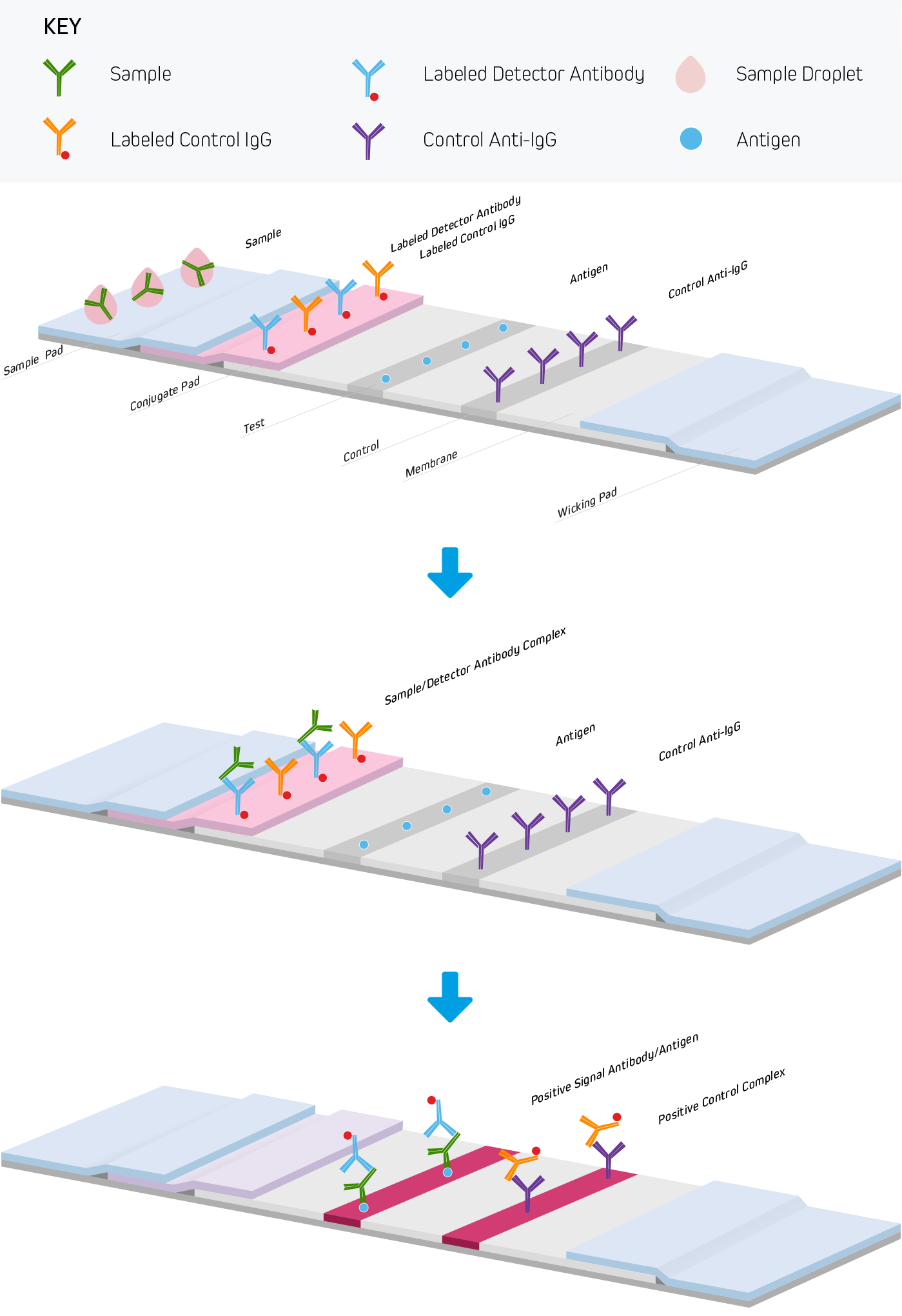
Most veterinary rapid tests are based on lateral flow immunoassay (LFIA) technology, a format extensively described in academic and governmental literature (NIH lateral flow immunoassay overview, FDA immunoassay fundamentals).
These assays typically provide qualitative results within minutes and require minimal equipment, making them suitable for decentralized testing environments.
Scientific principles behind veterinary rapid tests
Lateral flow immunoassay (LFIA) technology
Most veterinary rapid tests operate on immunochromatographic principles:
-
The sample migrates along a membrane via capillary action
-
Target analytes bind labeled antibodies or antigens
-
Immune complexes are captured at a test line
-
A visible signal confirms the presence of the target
This technology has been widely validated across human and veterinary diagnostics (NCBI immunoassay principles).
Antigen vs antibody detection
Veterinary rapid tests generally fall into two categories:
-
Antigen tests: detect pathogen-specific proteins, indicating active infection
-
Antibody tests: detect host immune responses, useful for exposure or surveillance
The choice depends on disease stage, pathogen biology, and diagnostic objectives, as discussed in veterinary diagnostic reviews (USDA veterinary diagnostics guidance, FAO animal disease diagnostics).
Key applications of veterinary rapid tests
Companion animal diagnostics
Rapid tests are widely used in dogs and cats for screening infectious diseases such as:
-
Canine parvovirus
-
Feline leukemia virus
-
Feline immunodeficiency virus
Early detection supports timely clinical intervention and isolation when needed, a principle emphasized in veterinary public health literature (CDC zoonotic disease overview).
Livestock and production animal health
In cattle, swine, poultry, and small ruminants, veterinary rapid tests support:
-
Herd health monitoring
-
Biosecurity screening
-
Disease surveillance programs
Government agencies highlight the role of rapid diagnostics in preventing disease spread and economic loss (USDA livestock health, WOAH disease notification system).
Zoonotic disease surveillance
Many animal pathogens have zoonotic potential. Rapid testing in animals contributes to One Health strategies integrating human, animal, and environmental health (CDC One Health, NIH One Health overview).
Veterinary research and epidemiology
In research settings, rapid tests are often used for:
-
Preliminary screening
-
Field studies
-
Sample triage before confirmatory laboratory testing
This approach is commonly described in epidemiological surveillance frameworks (NCBI veterinary epidemiology review).
Advantages of veterinary rapid tests
Speed and convenience
Results are typically available within 5–15 minutes, enabling immediate decision-making.
Minimal infrastructure
No specialized laboratory equipment is required, supporting use in remote or resource-limited environments.
Reduced sample handling
Simple sample preparation reduces technical variability and biosafety risks.
Cost-effectiveness
Rapid tests can lower overall diagnostic costs by reducing unnecessary laboratory submissions, as discussed in agricultural economics studies (USDA animal health economics).
Performance considerations and limitations
Sensitivity and specificity
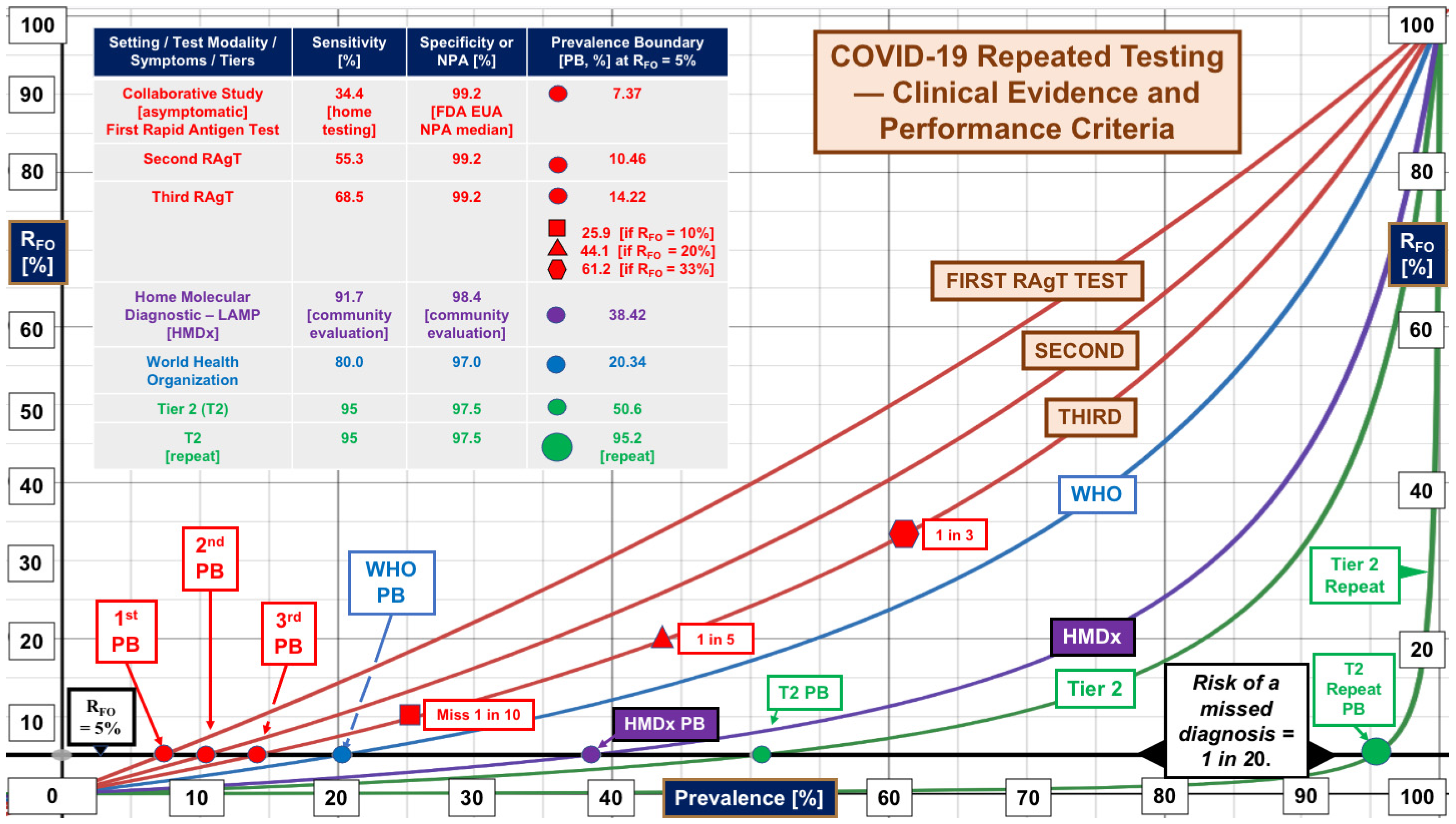
While veterinary rapid tests are optimized for field use, confirmatory testing (e.g., PCR or ELISA) may be required in certain contexts. Regulatory agencies emphasize appropriate interpretation of rapid test results (FDA diagnostic performance concepts).
Sample quality
Improper sample collection or storage can affect test performance. Veterinary best-practice guidelines stress standardized sampling procedures (USDA sampling guidance).
Epidemiological context
Test results should always be interpreted alongside clinical signs, vaccination status, and local disease prevalence, a principle highlighted in veterinary diagnostic manuals (Merck Veterinary Manual – diagnostics overview).
Regulatory and quality considerations
Veterinary diagnostic tests are subject to regulatory oversight depending on region and intended use. In the United States and Europe, performance, labeling, and manufacturing quality are key considerations (USDA veterinary biologics overview, European Commission animal health law).
Veterinary rapid tests, veterinary diagnostic rapid test, animal health diagnostics, lateral flow veterinary test, point-of-care veterinary diagnostics, livestock disease rapid test, companion animal rapid test, zoonotic disease screening animals, veterinary immunoassay.
Introducing Veterinary Rapid Tests
AffiGEN® Veterinary Rapid Tests are developed to support reliable, on-site diagnostic screening across a wide range of animal health applications. In line with AffiGEN®’s commitment to scientific quality and practical usability, these tests are designed for:
-
Companion animal screening
-
Livestock and herd health monitoring
-
Veterinary research and field studies
-
Zoonotic disease surveillance programs
AffiGEN® veterinary rapid tests integrate established immunoassay principles with user-friendly formats, enabling fast and consistent results where timely information matters most.
The future of veterinary rapid diagnostics
Advances in immunochemistry, biomarker discovery, and portable diagnostics are expected to further expand the role of rapid tests in veterinary medicine. Integration with digital reporting tools and surveillance networks supports data-driven animal health management, a trend highlighted in global One Health initiatives (WHO One Health collaboration).
Conclusion
Veterinary rapid tests are an essential component of modern animal health strategies. By enabling fast, accessible, and reliable screening, they support improved disease control, animal welfare, and public health outcomes.
For laboratories, clinics, and field professionals seeking dependable diagnostic tools, AffiGEN® Veterinary Rapid Tests provide a scientifically grounded solution aligned with the evolving demands of veterinary medicine.